|
Using
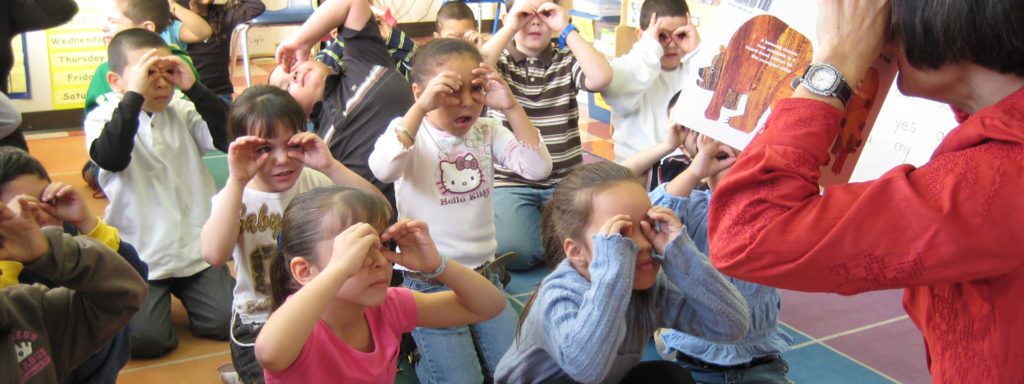
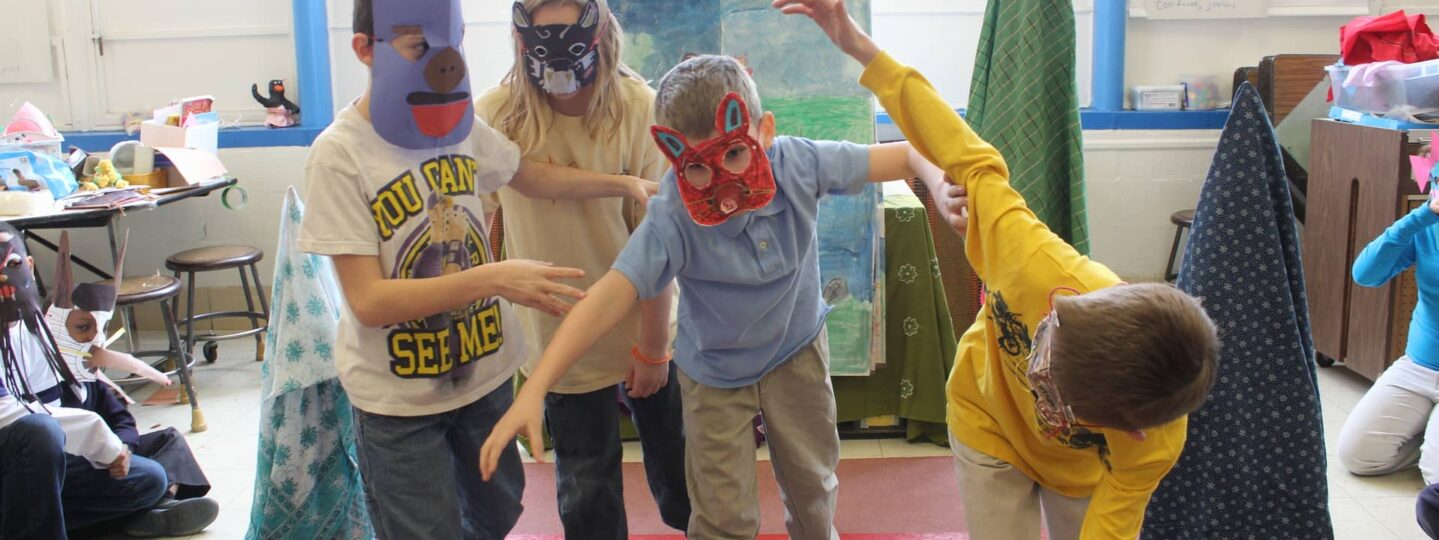
storytelling and the arts in the classroom has proven
to be an empowering and educational tool for both the
teller/ teacher and the listener/ student. Storytelling
and the arts have shown to improve self-confidence,
listening skills, cooperation, critical/creative thinking
skills and literacy.
|
|
|
All workshops
can be adapted to different themes and/or curricular needs
as necessary. In addition, Arianna is accustomed to working
with a wide range of physical and mental abilities; therefore
she is able to adjust her teaching to suit different learning
styles and abilities. A single session for children is a recommended
minimum of 45 minutes. There is no maximum, as each of these
single workshops can be turned into long-term residencies.
The Artist will supply a majority of the instruments and/or
props needed for the sessions.
A
Taste of Storytelling [2nd-6th grade]
Story
Play
Discovering
the Power of the Written Word
The
World's Dramatic History
Documentary
Storytelling: Using words and photographs to tell Our Story
Musical
Stories [6th-8th grade]
Indian
Folk
Forms, a lecture demonstration
Laughter
as
a Healer
A Taste of Storytelling [2nd-6th grade]
Discover
what it takes to perform a story from memory. Learn specific
storytelling techniques that you can use in the future to
give a speech, tell a story or even perform in a play. Create
the beginning of and structure for an entire story that you
can share with a friend, a child, or at a performance venue.
top
Story Play
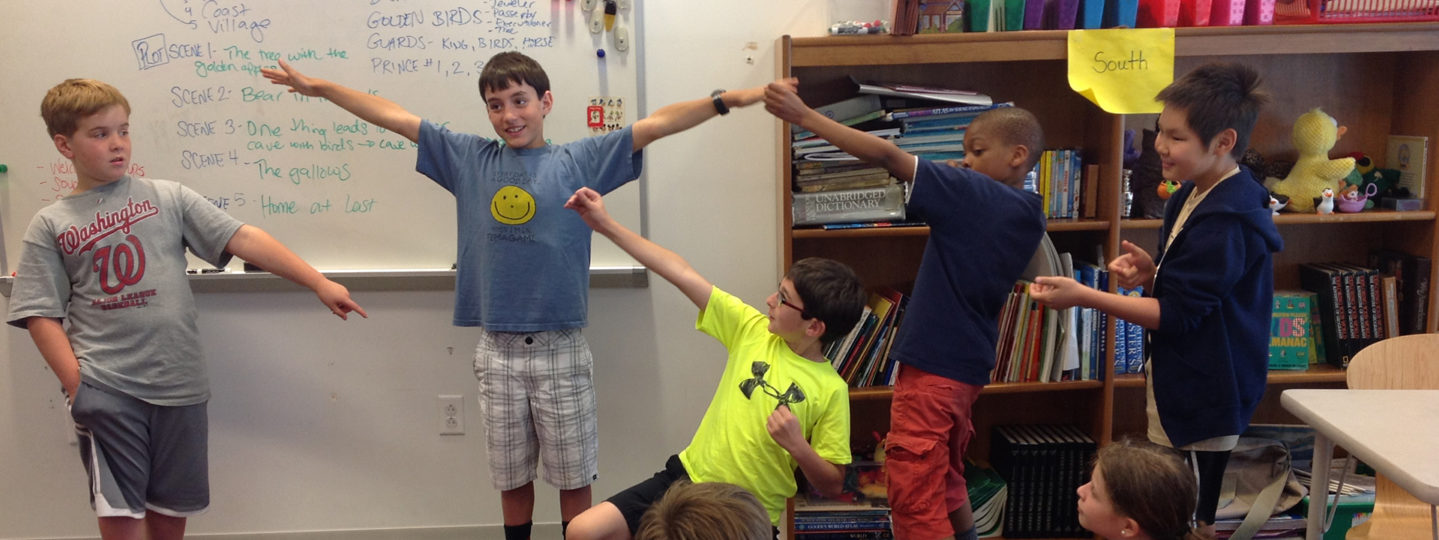
An extended
version of Taste of Storytelling with a minimum of 10 sessions.
Explore the art of storytelling with the intention of creating
a play. This program culminates in a performance written,
designed and performed by the students under the artist's
guidance. The show can be a series of single story scenes
tied together by a theme or a full-length play.
top
Discovering the Power of the Written Word
From the
beginning of time written words have had the ability to change
the way a person thinks or feels. Through a series of creative
writing exercises, students discover the power of their own
words to create an imaginary place, to tell a story, to persuade
someone, to teach, etc. The end result of the residency can
be a newspaper article, a short story or a novel.
top
The World's Dramatic History
Explore
a historical topic through a series of creative drama and
storytelling exercises. Deepen the participants' comprehension
of a particular time period. Ask them to step into the lives
of someone different such as Abigail Adams or a shopkeeper
during the Depression.
top
Documentary Storytelling: Using words and photographs to tell
Our Story
Stories
and photographs have served as a vehicle for personal and
historical reflection in the past and present. Look at how
in the course of history people have documented their lives
through photographs and written word. Create your own short
photo-documentary that either reflects a subject you have
studied or a piece of your own family history.
top
Musical Stories [6th-8th grade]
Discover
new ways to tell stories. Turn off the words and discover
how sounds can carry the images. How can you create the picture
of a young girl lost in the desert without showing it with
your body or specific vocabulary? Turn the words back on and
reveal how much more powerful your story can become with the
combination of music, dance and spoken word.
top
Indian Folk Forms, a lecture demonstration
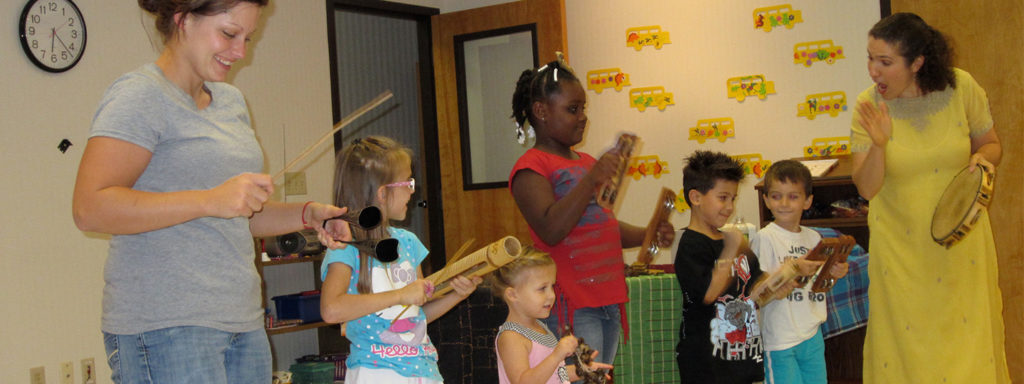
Play with
instruments and touch artifacts from small villages all over
India. Listen to a short story, watch a documentary film and
participate in a dance demonstration on different types of
Traditional Indian Art Forms. Walk away with a new familiarity
with a culture perhaps different than your own.
top
Laughter as a Healer
Art often
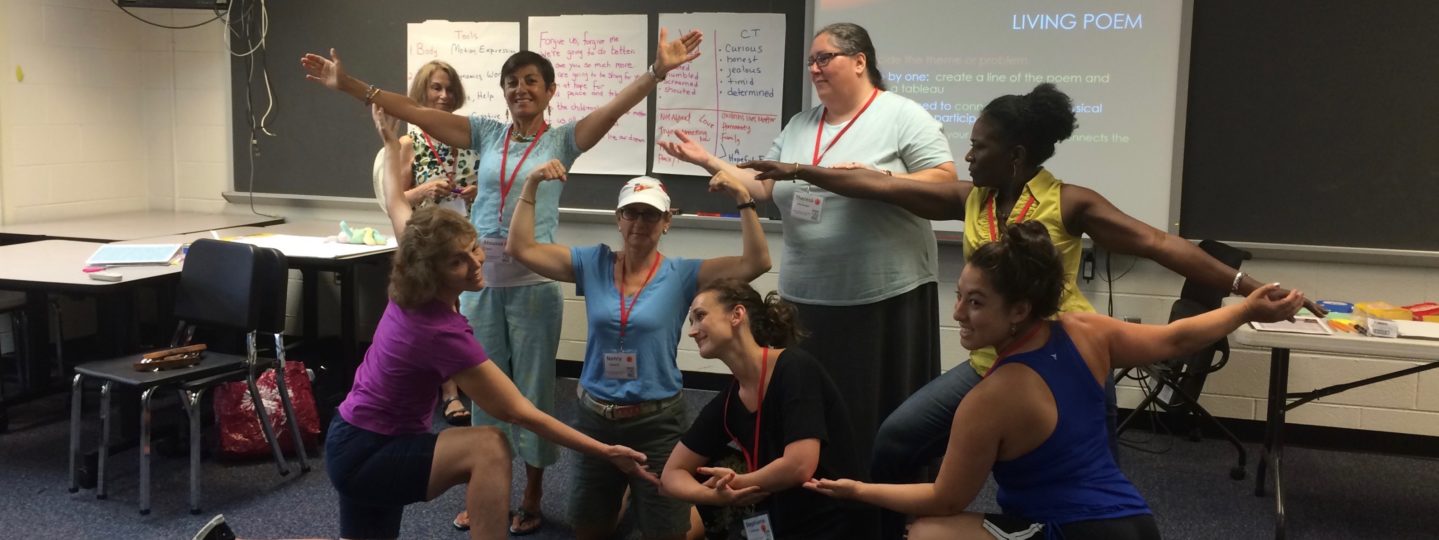
helps people to overcome personal difficulties. We will discover
the art of the "Smart Clown" and create our own personal physical
comedies. This work is based on my years with Bansi Kaul's
renowned theatre troupe, Rang Vidushak, in Bhopal, India.
top
|