Arianna Ross ~ Story Tapestries

  Workshops and residencies for:  
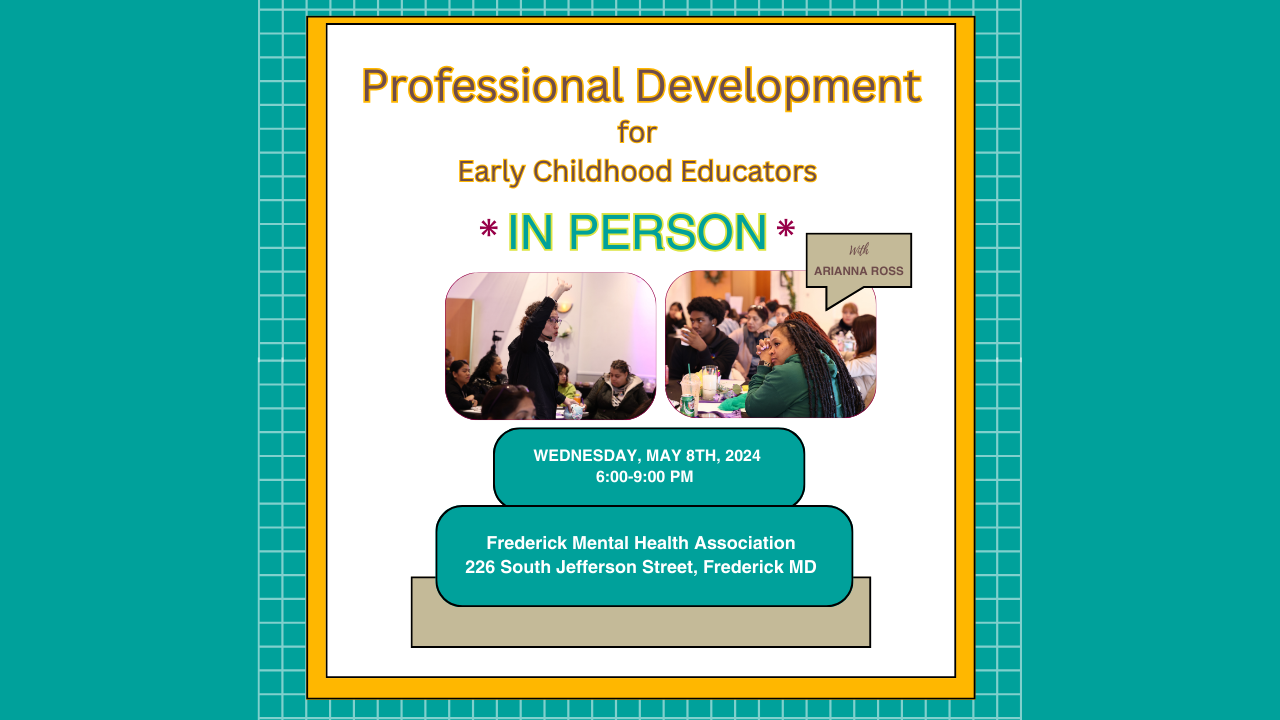
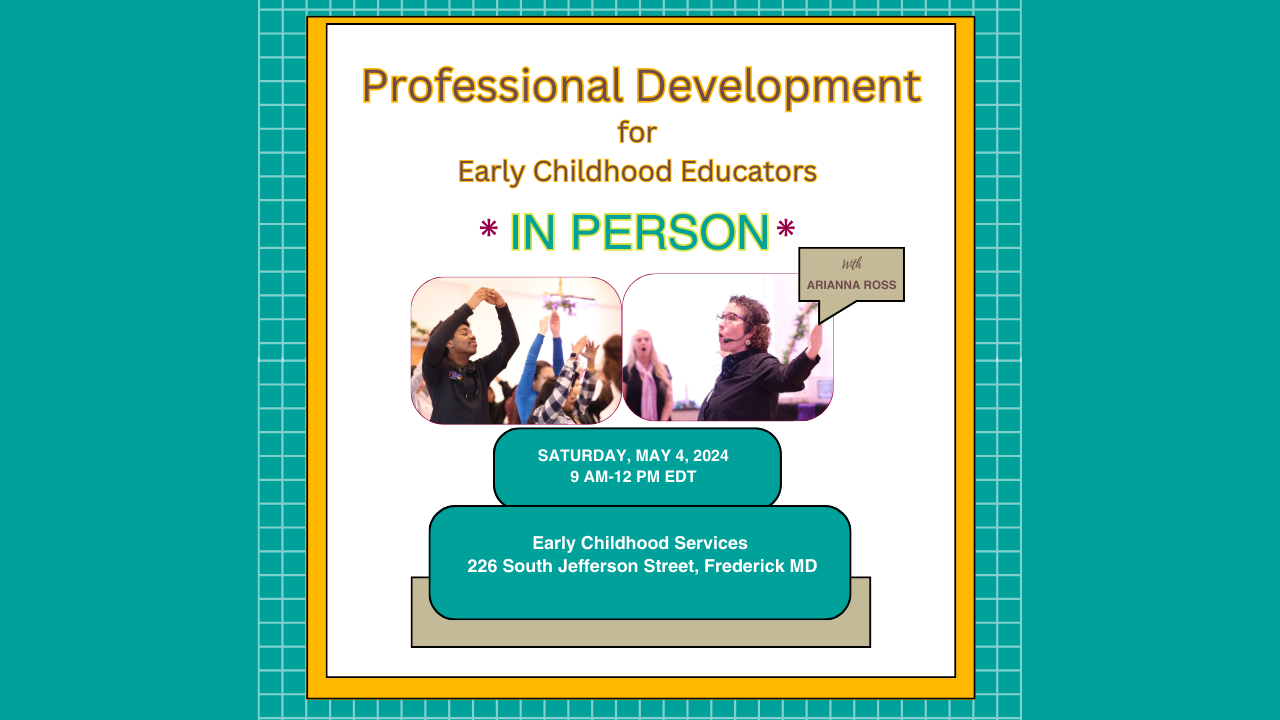
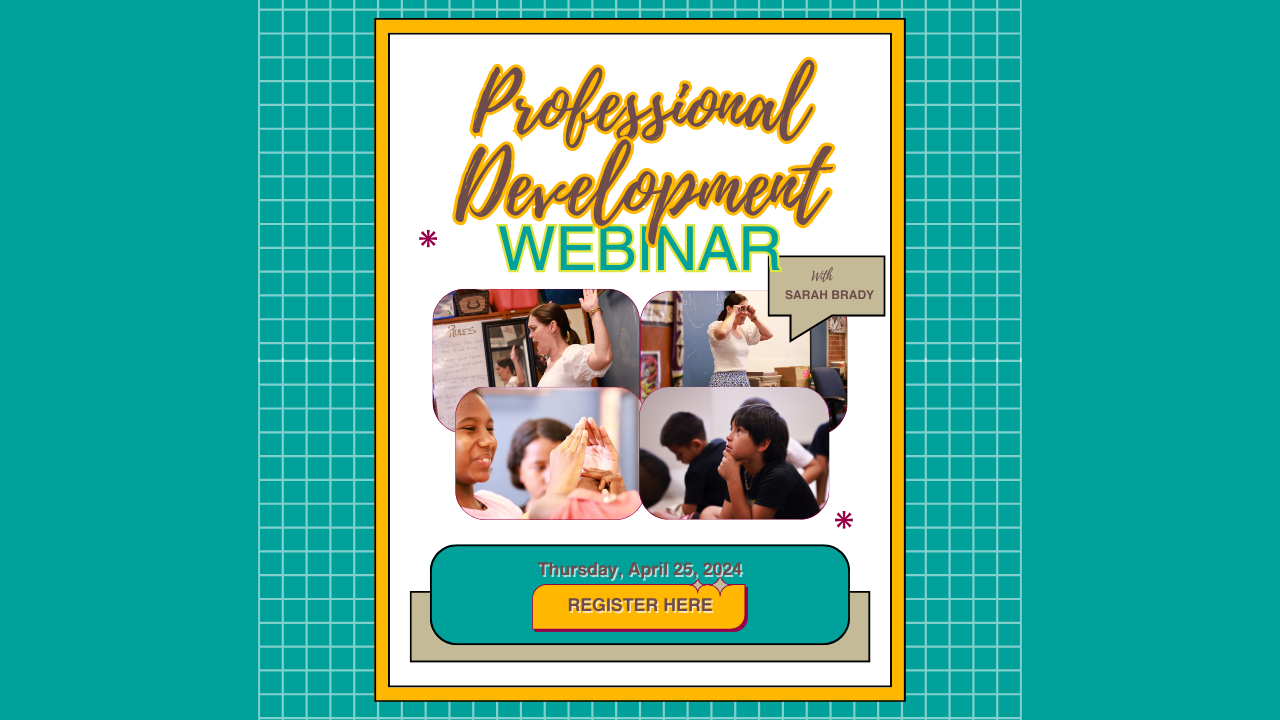
  Professional Development  


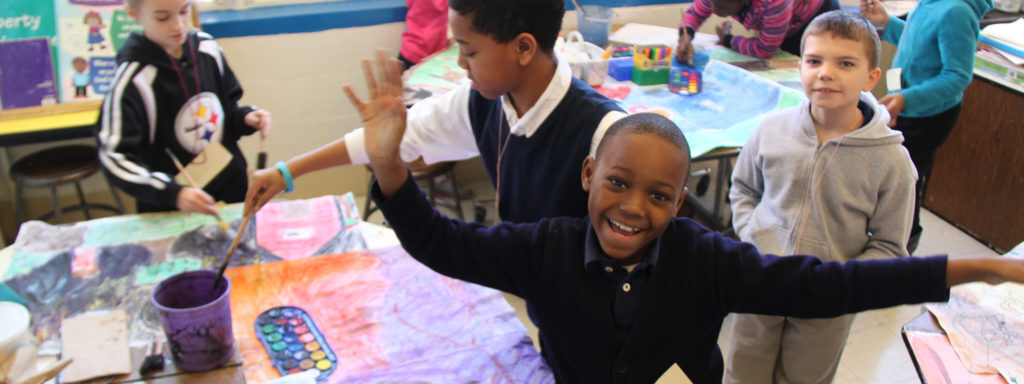
Using storytelling and other forms of art in the classroom, the office, a community center, or a health care facility has proven to be an empowering and educational tool for both the teller/ teacher and the listener/student. The arts have been shown to improve self-confidence, crisis management, efficiency, listening skills, cooperation, critical/creative thinking skills, and literacy.

All workshops can be adjusted address specific organizational or personal needs as necessary. In addition, Arianna is accustomed to working with a wide range of physical and mental abilities; therefore she is able to adapt her teaching to suit a variety of learning styles and abilities.


A single session for Adults is a recommended minimum of one and one-half hours. There is no maximum, as each of these single workshops can be turned into a half-day seminar, a weekly class or a weekend intensive. The Artist will supply a majority of the instruments and/or props needed for the sessions.

To help direct you to the right workshop for your organization Arianna has notated next to the title of each session an intended audience(s): Educators, Librarians, Health Care Providers, Social Workers, or All Level of Storytellers. However, these are only suggestions as many of the workshops if adjusted are applicable to all categories.

Put the Body Back in Storytelling

Playing Through History [Educators, Librarians, Storytellers]

Changing I Can't to I Can

Opening Doors for Bi-lingual/ Mono-lingual Students [Educators, Librarians, Storytellers]

Writing Stories from Our Imagination [Educators, Librarians, Storytellers]

Wipe Out the Cobwebs of Burnout

Your Bag O' Tricks [Social Workers, Health Care Providers]

Stories to Remember By [Storytellers, Social Workers, Health Care Providers]

The Healing Story [Storytellers, Social Workers, Health Care Providers]

Coaching: How Can Your Body Compliment Your Words? [Storytellers]

Coaching: How to be Culturally Sensitive to Your Audience and Your Story? [Librarians, Educators, Storytellers]

Listening to Other People's Stories

Key Questions: Unlocking the Gate

Laughter as a Healer

Documentary Storytelling: Using words and photographs to tell Our Story [Educators, Librarians, Storytellers]

Musical Stories [Educators, Librarians, Storytellers]

Indian Folk Forms, a lecture demonstration [Educators, Librarians, Storytellers]

Workshops Created In Collaboration with Other Artists or Arts OrganizationAccessing Our Abilities: Teaching People with or without Disabilities [Educators, All Storytellers]

Getting In: Incorporating Curricular Standards into School Programs [Parents, Educators, All Storytellers]

Put the Body Back In Storytelling

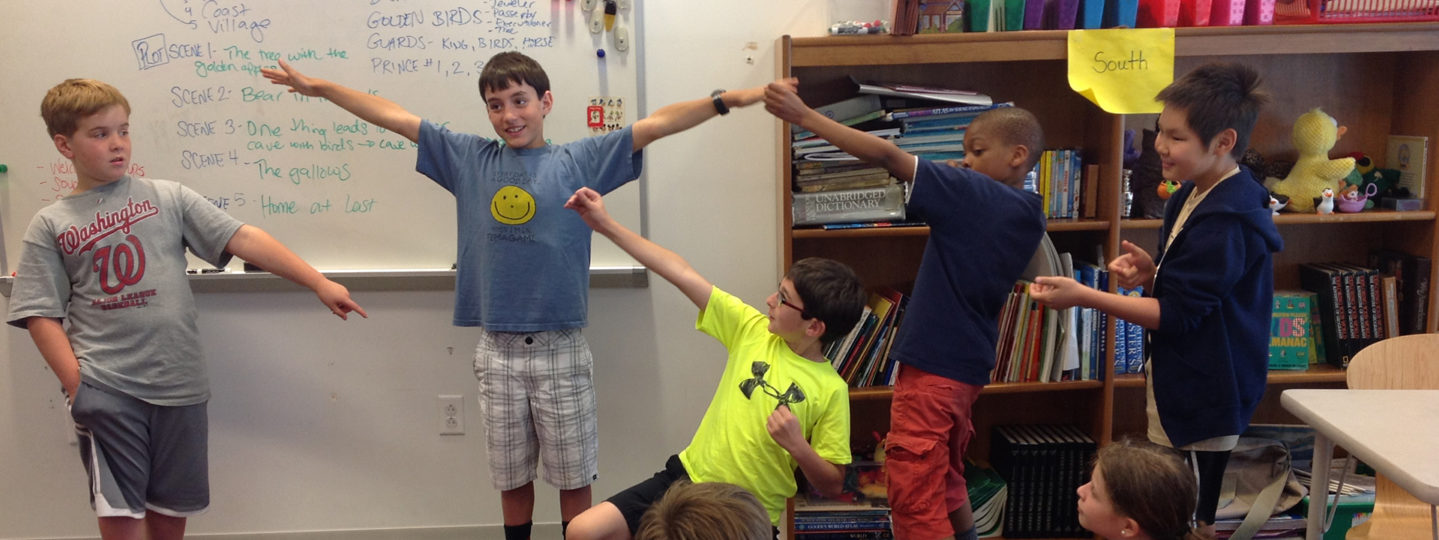
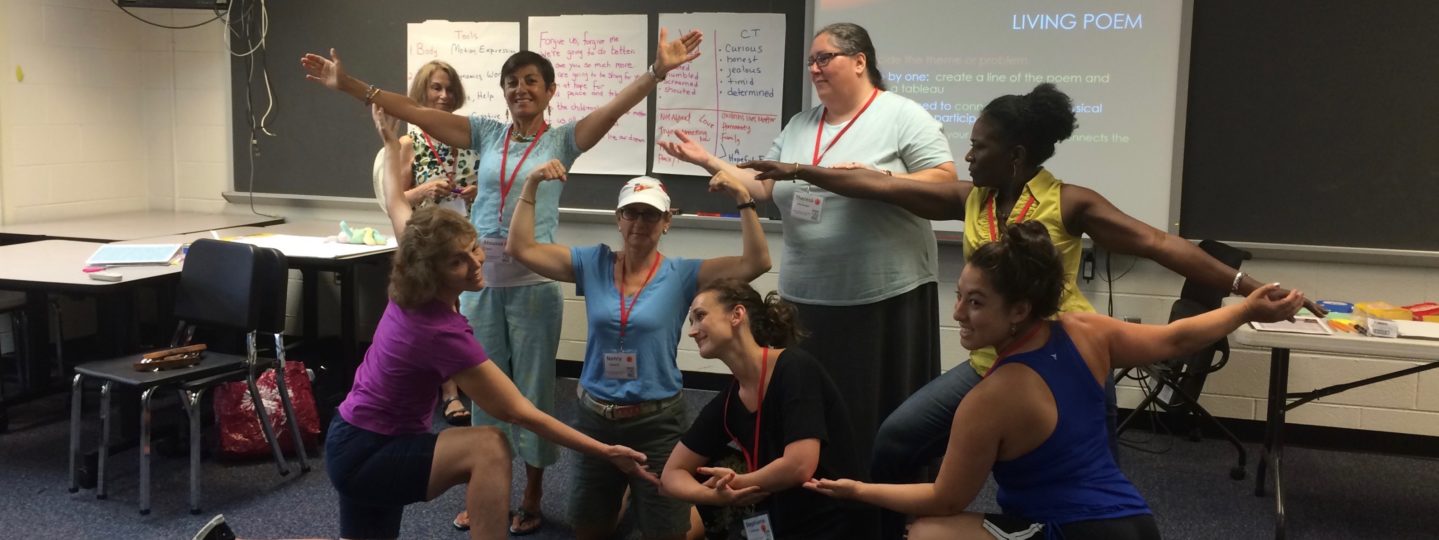
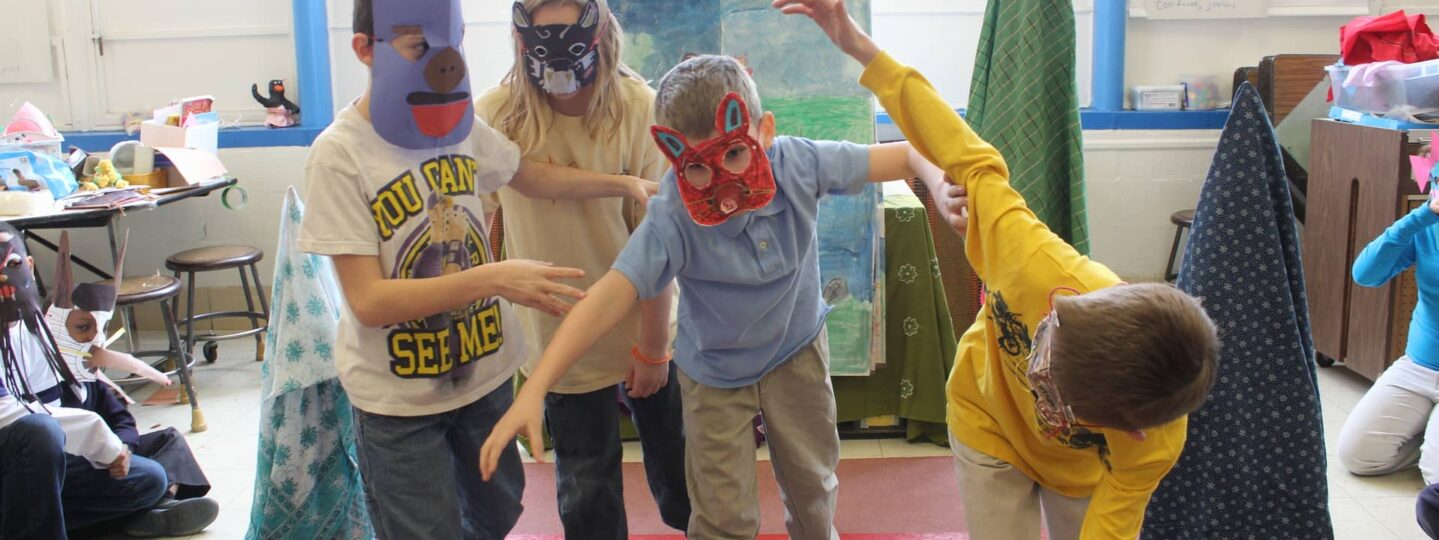
Empowerment through Voice and Movement: Jump-start your creative mind and body. Step outside your boundaries through the art of play. Tell a story with or without words. Foster a sense of confidence in yourself and others during a workshop, performance, or even daily interaction. Learn a set of exercises and a story that you can adapt to diverse circumstances.

top

Playing Through History [Educators, Librarians, Storytellers]

Enact history by telling its' story. During our session(s) together, learn several activities that can be used to create a safe creative environment and to deepen your students' understanding of history. Take away an effective set of curriculum-based techniques that not only include the standards, but also increase your students' love of learning.

top

Changing I Can't to I Can

How many times have you wanted to throw your hands up in frustration when a child or an adult says I can't? Play a series of specially designed games for either one -on -one or large group settings. Discover what language choices encourage change in their attitude. Arianna always tries to remember that flexibility counts for everything and that not all phrases or games will work each time.

top

Opening Doors for Bi-lingual/ Mono-lingual Students [Educators, Librarians, Storytellers]

We are living in an international community. Many of our students and audience members come to us knowing another language. Sometimes they speak English and other times they are in the process of learning. How can you encourage this process and invite them to feel at ease in your classroom or library or ...? Learn different exercises that you can use in your multi-lingual environment.

top

Writing Stories from Our Imagination [Educators, Librarians, Storytellers]

Your students are struggling with reading and writing. Learn several activities that can be used to build vocabulary, increase critical thinking skills, teach story sequencing and encourage creative writing. Walk away with an effective set of curriculum-based techniques that not only include the standards, but also increase your students' love of reading and writing. This workshop can be tailored to teach teachers a creative method for comparing and contrasting stories, teaching folk tales and basic writing techniques.

top

Wipe out the Cobwebs of Burnout

Feeling slow as you move through the day? Jump-start your creative mind and body. Dance around the room. Draw out your frustrations. Sing a song to make you laugh or a quiet song to help you reflect. Reconnect with the part of you that wants to swing so high that you touch the stars. Walk away with a set of exercises you can do for yourself everyday for a few minutes or on those rare occasions for a good hour that can prevent or heal burnout.

top

Your Bag O' Tricks [Social Workers, Health Care Providers]

Besides the medical techniques you use, everyone has a different bag o' tricks to help a patient feel more comfortable or calm down a family. Using storytelling and the arts in a hospital environment has proven to be an empowering and healing tool for both the artist/health care provider and the listener/ patient. Learn several activities that you can do in the few minutes you might have or for the moment when you have more time with a patient.

top

Stories to Remember By [Storytellers, Social Workers, Health Care Providers]

Art often helps a person to remember the past and heal the cracks in memory. As individuals and as a group, we will create a memory quilt of stories and images from the past and present. Discover how adventurous your past is. Arianna's Grandmother told her "I have no stories to tell." Four hours later, Arianna was still listening to stories about raising a family during WWII.

top

The Healing Story [Storytellers, Social Workers, Health Care Providers]

Have you ever searched for a long time for the "right" story? Stories, both personal and folk tales can serve as a bridge between feelings of anger, sadness and happiness. Work with a team of people to hone your instincts and to compile a list of stories for those difficult moments when you are not sure what to say. Take with you several different key stones for the many bridges you build in your work and daily life.

top

Coaching: How Can Your Body Compliment Your Words? [Storytellers]

Everyone is a dancer. We all communicate with our bodies whether we are angry, excited or sad. Together we will find your strengths as a "Silent Talker or Dancer." Discover how the gestures, the stance and the moves you create can only increase the audience's understanding of your story.

top

Coaching: How to be Culturally Sensitive to Your Audience and Your Story? [Librarians, Educators, Storytellers]

What is culturally sensitive and what feels just too politically correct? After years of traveling around the world in different communities and making many mistakes, Arianna has worked hard to understand what is appropriate or inappropriate for one group or in a given story. It is important to find the right balance for you as a storyteller and a teacher. Ask questions about and spend time crafting a story you hope to tell to a wide variety of audiences.

top

Listening to Other People's Stories

Listening can be a difficult task. In the days of multi-tasking, we often find ourselves listening while doing or thinking of something else. Participate in the process of compassionate listening and reflective response. Try a series of exercises that will increase your listening skills and understanding of the needs of your partner, students or clients.

top

Key Questions: Unlocking the Gate

A question can create a safe environment, encourage communication and increase learning. Find out what style of questioning encourages you to unlock your gates of communication. Listen to how other people phrase the same sentence. Design a series of different techniques to promote an open environment and to raise the level of understanding in your life/ work setting.

top

Laughter as a Healer

Art often helps people to overcome personal difficulties. We will discover the art of the "Smart Clown" and create our own personal physical comedies. This work is based on my years with Bansi Kaul's renowned theatre troupe, Rang Vidushak, in Bhopal, India.

top

Documentary Storytelling: Using words and photographs to tell Our Story [Educators, Librarians, Storytellers]

Stories and photographs have served as a vehicle for personal and historical reflection in the past and present. Look at how in the course of history people have documented their lives through photographs and written word. Create your own short photo-documentary that either reflects a subject you have studied or a piece of your own family history.

top

Musical Stories [Educators, Librarians, Storytellers]

Discover new ways to tell stories. Turn off the words and discover how sounds can carry the images. How can you create the picture of a young girl lost in the desert without showing it with your body or specific vocabulary? Turn the words back on and reveal how much more powerful your story can become with the combination of music, dance and spoken word.

top

Indian Folk Forms, a lecture demonstration [Educators, Librarians, Storytellers]

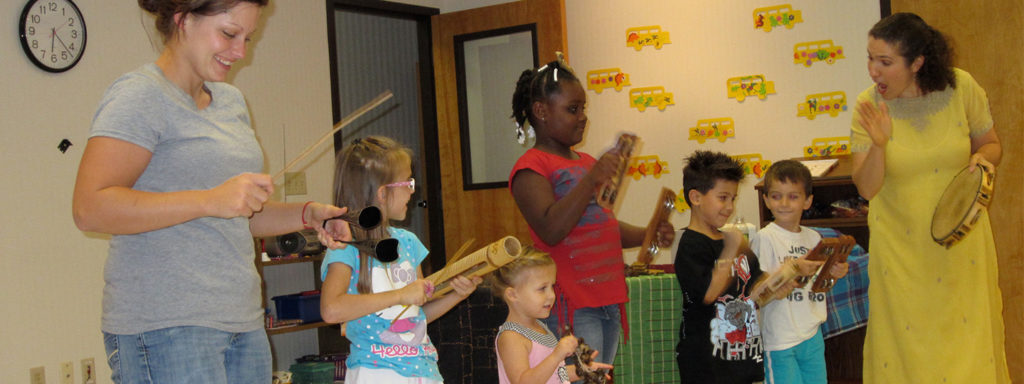
Play with instruments and touch artifacts from small villages all over India. Listen to a short story, watch a documentary film and participate in a dance demonstration on different types of Traditional Indian Art Forms. Walk away with a new familiarity with a culture perhaps different than your own.

top

Workshops Created In Collaboration with Other Artists or Arts OrganizationAccessing Our Abilities: Teaching People with or without Disabilities [Educators, All Storytellers]

Presented in collaboration with Open Circle Theatre Many practitioners feel at a disadvantage when faced with a person who has a disability. Discover ways you can adjust your language to involve students with varying abilities and to challenge yourself to stretch what you might think of as their limits. Finally, walk away with exercises that you can adapt to the diverse circumstances you face.

top

Getting In: Incorporating Curricular Standards into School Programs [Parents, Educators, All Storytellers]

Presented in Collaboration with Diane Macklin. Standardized testing and increasing curriculum demands have created an opportunity for storyteller's to prove the importance of the arts to a child's education. Learn techniques for working with school communities to incorporate curriculum into programs and communicate effective with school officials.

top